“A property rarely develops a major exterior problem overnight.”
Most serious damage begins with a small warning sign that was overlooked, misunderstood, or postponed.
The problem is not that property owners do not care.
The problem is that many exterior issues do not look urgent when they first appear.
A little peeling paint may seem cosmetic.
A small crack may not appear dangerous.
A gap around a window may seem too minor to matter.
But your property’s exterior is its first line of defense against moisture, temperature changes, wind, sunlight, insects, and normal wear.
When that protection begins to fail, damage can spread from one material to another.
Here are five exterior warning signs every homeowner, business owner, and property manager should understand.
1. Peeling, Bubbling, or Cracking Paint
Exterior paint does more than improve appearance.
It helps protect wood, siding, trim, and other materials from moisture and weather exposure.
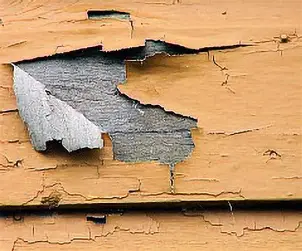
When paint begins to peel, bubble, crack, or separate from the surface, something has changed.
Possible causes include:
- age
- moisture behind the surface
- poor surface preparation
- sun exposure
- failing caulk
- wood movement
- previous paint failure
A small area of peeling paint may only require surface preparation and repainting.
However, bubbling or repeated paint failure can indicate moisture is entering from behind the surface.
Simply painting over the problem may hide it temporarily, but it will not correct the cause.
The surface should be inspected before new paint is applied.
2. Open Gaps Around Windows, Doors, and Trim
Caulking and sealants help close joints where different materials meet.
These areas include:
- window frames
- door frames
- trim boards
- siding transitions
- utility penetrations
- vents
- exterior fixtures
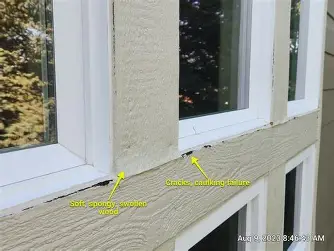
Over time, caulk can dry out, shrink, crack, or pull away.
Once a gap opens, water can enter behind the surface.
The gap may only be a fraction of an inch wide, but repeated exposure to rain and moisture can affect wood, insulation, drywall, and surrounding materials.
Exterior joints should be inspected regularly and resealed when needed.
Every great project starts with a conversation. We’d love to hear about yours.
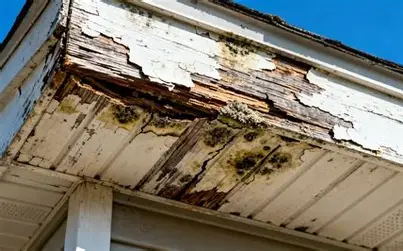
3. Soft, Swollen, or Discolored Wood
Wood damage is not always obvious.
Early signs may include:
- darkened areas
- swelling
- softness
- cracking
- paint that no longer holds
- trim pulling away
- visible deterioration near joints
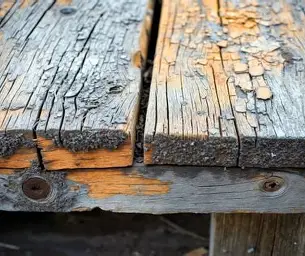
Wood often begins to deteriorate where water repeatedly collects or where paint and caulk have failed.
Common locations include:
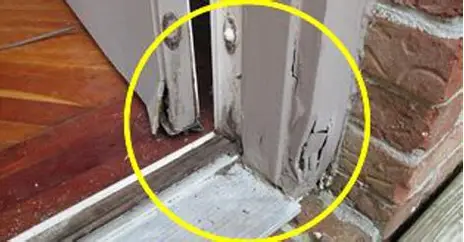
- window trim
- door trim
- fascia boards
- soffits
- lower siding areas
- porch columns
- exterior corners
Common locations include:
- window trim
- door trim
- fascia boards
- soffits
- lower siding areas
- porch columns
- exterior corners
Pressing lightly on questionable areas can sometimes reveal softness.
Soft wood should not be ignored.
The longer moisture remains present, the more likely the damage will spread.
4. Water Stains Beneath Gutters or Roof Edges
Dark streaks, stains, or washed-out areas beneath gutters can indicate water is not being directed properly.
Possible causes include:
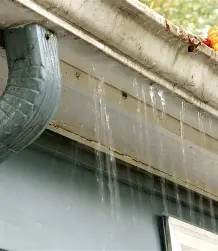
- leaking gutter joints
- clogged gutter
- loose downspouts
- poor drainage
- overflow during heavy rain
- damaged fascia
- water running behind the gutter
When gutters fail, water can affect more than the roof edge.
It may damage:
- fascia boards
- soffits
- siding
- landscaping
- concrete
- foundations
- basement areas
Gutters should move water away from the structure. We like to have the gutter down spout reach out about 3 to 4 feet from the structure.
When stains appear, it is worth finding out why.
5. Cracks in Concrete, Masonry, or Exterior Joints
Not every crack means serious structural movement.
Many cracks are caused by normal settling, shrinkage, temperature changes, or age.
However, cracks should still be monitored.
Pay attention when a crack:
- becomes wider
- grows longer
- allows water to enter
- develops uneven edges
- appears near doors or windows
- returns after previous repairs
- causes surrounding materials to move
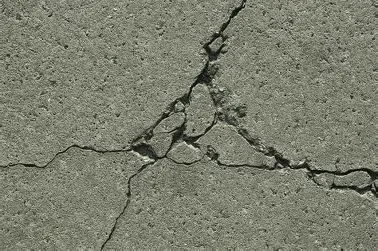
Water entering cracks can freeze, expand, and make the opening larger.
Even a small crack may become a maintenance issue if it remains exposed through multiple seasons.
The Goal Is Early Awareness
Property maintenance is not about overreacting to every flaw.
It is about recognizing changes early enough to make good decisions.
Some issues can be watched.
Some can be repaired with simple maintenance.
Others deserve professional evaluation.
The important thing is to avoid allowing a small, visible warning sign to become hidden damage behind the surface.
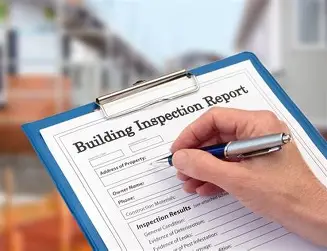
A Simple Exterior Inspection
Walk around your property at least twice a year.
Look closely at:
- paint
- trim
- windows
- doors
- gutters
- downspouts
- concrete
- siding
- roof edges
- exterior joints
Take pictures of questionable areas.
Compare them several months later.
This makes it easier to see whether something is changing.
Protect the Property Before the Problem Grows
At House & Building Maintenance, we believe property owners should understand what they are looking at before making repair decisions.
That is the purpose of Property Asset Protection™.
We help homeowners, business owners, and property managers identify maintenance concerns, understand their options, and protect the long-term condition of their property.
Thank you again for stopping by. I look forward to learning more about your property and starting a conversation about protecting one of your biggest investments.

House & Building Maintenance
Property Asset Protection Advisor™
“We Take Service To The Next Level!“
P.S. I want to share a Promise with you.
The Property Asset Protection™ Promise
At House & Building Maintenance, we believe every homeowner deserves:
✅ Honest recommendations.
✅ Professional workmanship.
✅ Clear communication.
✅ Education before obligation.
✅ Long-term thinking.
✅ Respect for your home.
That Is A Promise I Can Stand Behind! Now Let’s Have That Conversation!
Leave a Reply