
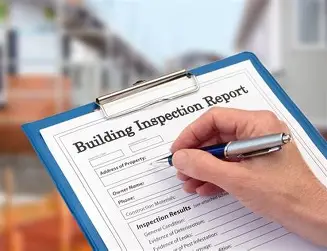
One of the most common questions homeowners ask is…
“How often should I inspect my home?”
The answer surprises many people.
You don’t need to inspect every square inch of your property every weekend.
But you also shouldn’t wait until something breaks before paying attention.
The best approach is simple.
Inspect your home a little throughout the year.
After more than 35 years in construction, I’ve found that homeowners who regularly walk around their property are far less likely to experience expensive surprises.
Why?
Because they notice change.
A little peeling paint.
A cracked bead of caulk.
A loose piece of trim.
An overflowing gutter after a rainstorm.
None of these problems usually appear overnight.
They develop gradually.
Routine inspections give you the opportunity to discover them while they’re still easy—and affordable—to correct.
Why Routine Inspections Matter
Your home’s exterior works hard every day.
It protects your family from rain, snow, wind, sunlight, heat, cold, insects, and moisture.
Over time, every exterior material begins to age.
Paint weathers.
Caulking shrinks.
Wood expands and contracts.
Concrete develops small cracks.
Roofing materials experience years of changing weather.
None of this is unusual.
It’s simply part of homeownership.
Routine inspections allow you to recognize normal aging while also identifying areas that deserve attention before damage spreads.
Spring: The Recovery Season
Spring is one of the most important times to inspect your home.
Winter may have exposed your property to snow, ice, freezing temperatures, heavy winds, and repeated freeze-and-thaw cycles.
As the weather improves, take time to inspect:
- Roofline
- Gutters
- Downspouts
- Windows
- Exterior caulking
- Paint condition
- Trim
- Foundation
- Landscaping drainage
Spring inspections help you identify issues before summer projects begin.
Summer: The Maintenance Season
Summer provides ideal conditions for completing exterior maintenance.
Longer days and warmer temperatures make this the perfect season for:
- Painting
- Caulking
- Wood repairs
- Window maintenance
- Power washing
- Exterior cleaning
- Deck inspections
Summer is when many homeowners protect what they discovered during their spring inspection.
Fall: The Preparation Season
Before winter arrives, your home deserves another complete walkaround.
Fall inspections should focus on preparing your property for colder weather.
Pay close attention to:
- Gutters filled with leaves
- Roof debris
- Weather stripping
- Exterior gaps
- Drainage
- Tree branches
- Outdoor faucets
- Exterior lighting
Preparing now often prevents costly winter damage later.
Winter: The Observation Season
Many homeowners stop paying attention to their home’s exterior during winter.
That’s understandable.
But winter can reveal valuable information.
Watch for:
- Ice dams
- Interior water stains
- Drafty windows
- Condensation
- Poor insulation
- Snow accumulation
- Icicles forming where they shouldn’t
Winter is less about major repairs and more about observing how your home performs under harsh conditions.
Those observations become valuable planning tools for spring.
Don’t Forget After Severe Weather
Seasonal inspections are important.
But so are inspections after significant storms.
After heavy rain…
Walk around your property.
After high winds…
Look for loose materials.
After hail…
Inspect roofing, siding, gutters, and windows.
After unusually heavy snowfall…
Observe how snow and ice are affecting your home.
Weather often reveals problems that aren’t visible during normal conditions.
Small Walkarounds Make a Big Difference
One of the best habits homeowners can develop takes less than fifteen minutes.
Simply walk around your property.
Look up.
Look down.
Look closely.
Pay attention to anything that appears different from the last time you looked.
Your home doesn’t expect perfection.
It simply asks you to notice when something changes.
What You Can Do Today
Schedule four recurring reminders in your calendar.
One for each season.
Label them:
Spring Property Inspection
Summer Property Inspection
Fall Property Inspection
Winter Property Inspection
Those simple reminders may become one of the easiest ways to protect your investment for years to come.
Building a Habit of Awareness
The goal isn’t to become a contractor.
The goal is to become familiar with your own property.
The more often you observe your home, the easier it becomes to recognize when something deserves your attention.
Routine inspections don’t eliminate maintenance.
They make maintenance more predictable.
And predictable maintenance is almost always less expensive than emergency repairs.
Continue Your Property Asset Protection™ Journey
Routine inspections are one of the six key principles discussed in our flagship homeowner guide.
To learn what warning signs to watch for—and why early detection matters—continue reading:
**6 Reasons You Should Inspect Your Home Today Instead of Paying for Big Repairs Tomorrow
Other Related HBM Knowledge Center™ Articles
- Why Preventative Maintenance Saves Thousands
- What Is Property Asset Protection™?
- The True Cost of Waiting Too Long
- The Homeowner’s Annual Property Asset Protection™ Guide
- Every House Talks… Learn How to Listen Before It’s Too Late
Protecting Your Property Starts With a Conversation
Thank you for spending a few minutes with us today. We created the HBM Knowledge Center™ for one reason: to help property owners better understand, maintain, and protect one of their biggest investments.
If something you read raised a question about your own property—or you’re simply not sure what deserves attention first—you don’t have to figure it out alone.
Start a conversation with HBM.
Tell us what you’re seeing, what you’re concerned about, or what you’re trying to accomplish. We’ll help you determine the right next step.
Ready to Protect Your Investment?
Fill out our Instant
Contact Form today and

Kent Brown
Founder/Property Asset Protection Advisor
House & Building Maintenance
Protecting Properties. Educating Owners. Building Trust.
Leave a Reply